Understanding the Disadvantages of Solar Energy
Solar energy is often hailed as one of the most promising renewable energy sources, and for good reason. It’s clean, abundant, and increasingly cost-effective. However, like any energy source, solar power is not without its drawbacks. Understanding these disadvantages is crucial for those considering solar energy for their homes or businesses. This article explores the various challenges and limitations associated with solar energy, providing a comprehensive overview of why it might not be the perfect solution for everyone.
Initial High Costs of Solar Energy Systems
One of the most significant disadvantages of solar energy is the high upfront cost associated with purchasing and installing solar panels. Although the cost of solar technology has decreased over the years, the initial investment can still be substantial. This includes the cost of the solar panels themselves, inverters, batteries (if a storage system is desired), wiring, and installation. For many homeowners and businesses, these upfront costs can be a major barrier to adopting solar energy, despite the potential long-term savings on electricity bills.
Intermittent Energy Production
Solar energy is inherently dependent on sunlight, which is not available at all times. This intermittent nature of solar power is one of its most significant disadvantages. Solar panels generate electricity only when the sun is shining, which means they are ineffective at night and during periods of heavy cloud cover or rain. This intermittency can be a major issue in regions with less consistent sunlight or during winter months when daylight hours are shorter. Consequently, solar energy systems often require backup power sources or energy storage solutions, which can add to the overall cost and complexity.
Energy Storage Challenges
Energy storage is another major challenge associated with solar energy. Since solar panels only produce electricity during daylight hours, storing excess energy for use at night or during cloudy days is essential for maintaining a consistent power supply. However, current battery storage technologies are expensive and have limited capacity. This means that many solar energy systems cannot store enough energy to meet demand during periods without sunlight, necessitating reliance on grid electricity or backup generators. The development of more efficient and affordable energy storage solutions is critical for overcoming this disadvantage.
Space Requirements for Solar Installations
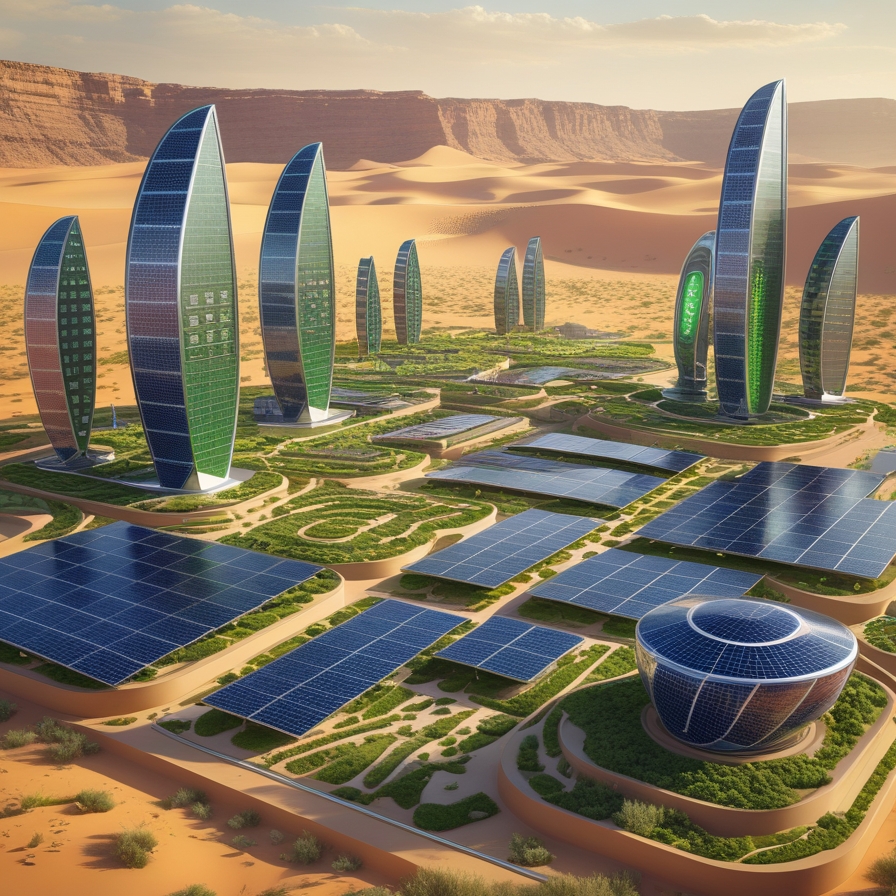
Solar energy systems require a significant amount of space for installation, especially if the goal is to generate enough electricity to power an entire home or business. Solar panels need to be placed in areas with maximum exposure to sunlight, which often means large rooftop installations or ground-mounted systems. For individuals or businesses with limited space, this can be a major drawback. Additionally, the aesthetic impact of large solar installations can be a concern for some property owners, particularly in residential areas.
Environmental Impact of Solar Panel Production
While solar energy is a clean and renewable resource, the production of solar panels is not without environmental impact. The manufacturing process for solar panels involves the use of hazardous materials, including chemicals like sulfur hexafluoride, which is a potent greenhouse gas. Additionally, the extraction of raw materials, such as silicon and rare earth metals, required for panel production can have significant environmental consequences, including habitat destruction and pollution. As the demand for solar panels increases, these environmental impacts could become more pronounced, making it an important consideration for those advocating for widespread adoption of solar energy.
Limited Efficiency and Energy Conversion
The efficiency of solar panels is another notable disadvantage. While solar technology has improved significantly over the years, most solar panels convert only about 15-20% of the sunlight they receive into usable electricity. This relatively low efficiency means that large surface areas are required to generate substantial amounts of power. Moreover, efficiency can be further reduced by factors such as shading, dirt, and temperature, which can impact the overall performance of a solar energy system.
Dependency on Geographic Location
The effectiveness of solar energy systems is heavily dependent on geographic location. Areas closer to the equator, which receive more direct sunlight throughout the year, are generally better suited for solar power generation. In contrast, regions with high latitudes, frequent cloud cover, or heavy pollution may find solar energy less viable as a primary energy source. This geographic dependency limits the universal applicability of solar energy, making it a less attractive option for some regions.
Degradation and Maintenance of Solar Panels
Solar panels are designed to be durable and long-lasting, but they are not immune to degradation over time. The efficiency of solar panels typically decreases by about 0.5-1% per year due to factors such as weathering, dirt accumulation, and wear on the materials. This gradual degradation can lead to a significant reduction in energy output over the lifespan of the system, which is typically around 25-30 years. Regular maintenance, including cleaning and occasional repairs, is required to ensure optimal performance, adding to the overall cost and effort involved in maintaining a solar energy system.
Complex Permitting and Installation Process
The process of installing a solar energy system can be complex and time-consuming. Depending on local regulations, obtaining the necessary permits for a solar installation can involve navigating a maze of bureaucratic requirements, which can delay the project and increase costs. Additionally, the installation process itself requires specialized knowledge and expertise, often necessitating the use of professional installers. This complexity can be a deterrent for some individuals and businesses considering solar energy, particularly in areas with stringent regulatory environments.
Energy Return on Investment (EROI)
The concept of Energy Return on Investment (EROI) refers to the amount of energy generated by a solar panel system relative to the energy required to manufacture, install, and maintain the system. While solar energy generally has a positive EROI, it is lower compared to some other energy sources, such as wind or hydroelectric power. This lower EROI means that the net energy gain from solar panels is less efficient, which can be a disadvantage for those looking to maximize energy output relative to the resources invested.
Impact on Wildlife and Ecosystems
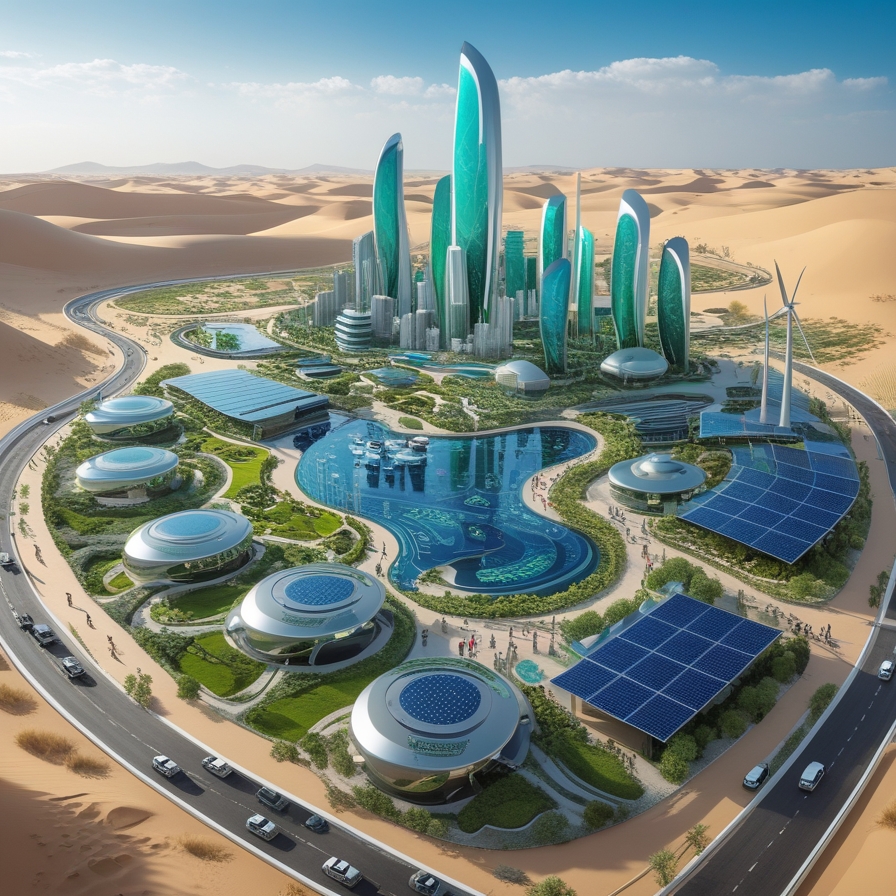
Large-scale solar installations, particularly ground-mounted systems, can have a significant impact on local wildlife and ecosystems. The construction and operation of solar farms can lead to habitat disruption, particularly in desert areas where land is often cleared to make way for solar panels. This can have adverse effects on local flora and fauna, including endangered species. Additionally, the reflective surfaces of solar panels can sometimes confuse birds, leading to collisions and fatalities. These environmental impacts need to be carefully considered in the planning and development of solar energy projects.
Disposal and Recycling of Solar Panels
As solar panels reach the end of their useful life, the issue of disposal and recycling becomes increasingly important. Solar panels contain materials that can be harmful to the environment if not disposed of properly, including heavy metals like cadmium and lead. While recycling programs for solar panels are being developed, the infrastructure is still in its early stages and not yet widely available. This means that many panels may end up in landfills, where they can contribute to environmental pollution. The development of more efficient recycling methods is essential for mitigating this disadvantage of solar energy.
Conclusion
While solar energy offers numerous benefits, including reduced greenhouse gas emissions and lower electricity costs, it is not without its challenges. The high initial costs, intermittent energy production, and environmental impact of solar panel production are just a few of the disadvantages that must be considered. Additionally, the efficiency, geographic dependency, and maintenance requirements of solar energy systems can pose significant hurdles for widespread adoption. As the technology continues to evolve, it is crucial to address these disadvantages to make solar energy a more viable and sustainable option for the future.